
Why replacing old drives makes good business sense
Modern VSDs take advantage of new, higher efficiency motor designs, like synchronous reluctance motors (SynRM) that have no rotor losses. These motors operate with 40 percent lower losses compared to a conventional induction motor, so replacing old drives can make sense.
According to ABB Drives, the lower losses allow motor construction in two variants. The first is an IE4 super premium efficiency motor which matches conventional motor frame sizes. The other, a High Output (HO) design which is two frame sizes smaller for the same power. Both motor designs are much lighter and quieter than conventional squirrel cage designs.
Replacing old drives
If replacing an average 1980s AC motor and VSD with an ABB high efficiency motor and state-of-the-art VSD, the payback time due to lower energy consumption could be less than 12 months and up to 36 months, depending on annual operating hours, energy price and the utilisation of today’s drives technology, such as flux optimisation. Replacing old drives and/or motors brings many other benefits:
– More energy efficient as today’s motors are approximately three percent more efficient than their predecessors.
– Better motor control as today’s drives produce higher quality output waveforms, thus reducing motor losses by 10-15 percent.
– Lower running costs because it is probable that older motors and drives from any manufacturer will start to suffer breakdowns. It may be beneficial to cut your maintenance bill and replace the motors and drives. This has the advantage of extending the warranty.
– Greater reliability as their lower component count means new drives last longer and help reduce downtime. Likewise, high efficiency motors tend to run cooler, thereby extending the lifetime and intervals between maintenance.
– Smaller size as a new drive delivers much more power, size for size. In some cases, a modern drive can be a third of the size of a drive only a few years older. This saves valuable space when replacing the drive.
Latest technology
Latest technology means users with new drives and motors can benefit from recently introduced features, for instance flux (energy) optimisation. This can reduce the energy consumption in pump and fan applications by 10 percent. Also, they provide more communications protocols like Modbus and Profibus to improve communications and integration.
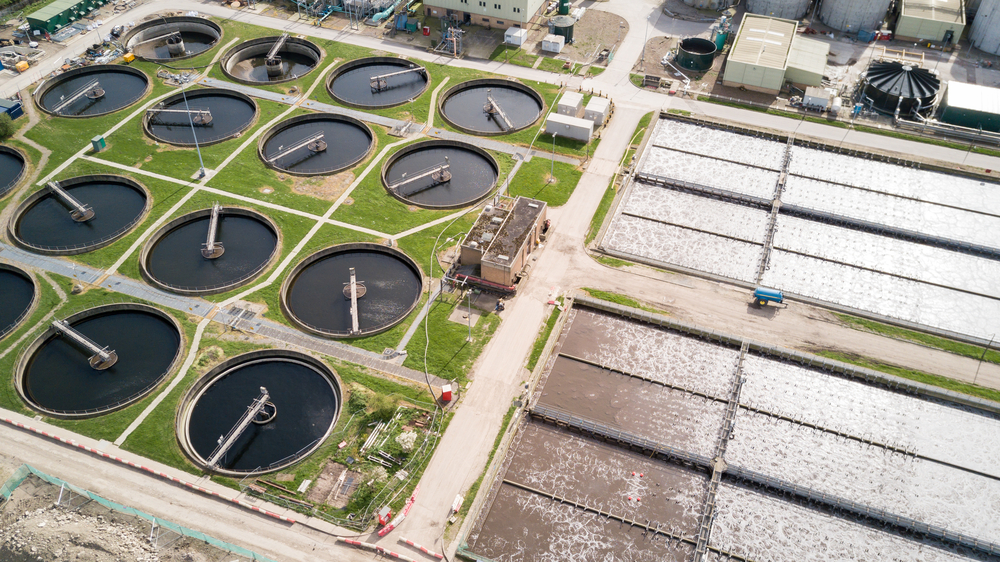
For example, Severn Trent Water is saving thousands of pounds in energy and maintenance since replacing two old drives. The new ABB drives at the Ladywood sewage pumping station in Ironbridge, Shropshire also saved installation space. Fitting state-of-the-art variable-speed drives in place of ageing ones gives energy savings as well as improved reliability.
Recent blog posts